Geo-fencing is one of the most talked-about tools in digital advertising. It is often presented as a way to target every person who walks into a specific building, attends an event, or visits a competitor.
That description is not entirely wrong, but it can make geo-fencing sound more precise and powerful than it really is.
Geo-fencing can be an effective advertising tool. However, it works best as one part of a broader marketing strategy—not as a magic solution that guarantees new customers.
What Is Geo-Fencing?
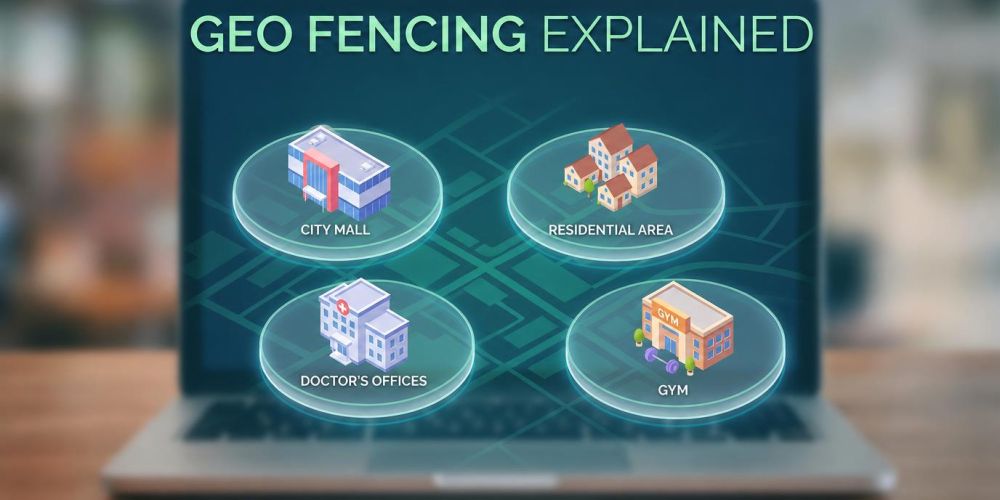
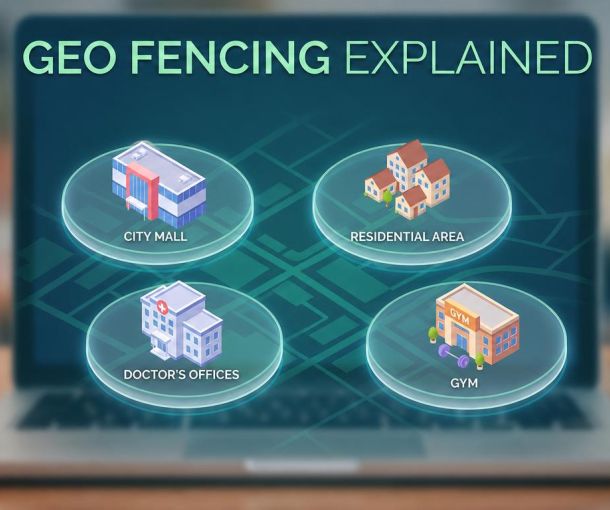
Geo-fencing is a form of location-based digital advertising.
An advertiser creates a virtual boundary around a physical location, such as:
- A competitor’s business
- A convention center
- A dealership
- A retail store
- A neighborhood
- An event venue
Compatible mobile devices detected inside that boundary may then become eligible to receive digital advertisements.
Those ads could appear through mobile apps, websites, streaming platforms, or other programmatic advertising placements.
Can Geo-Fencing Identify Everyone at a Location?
No.
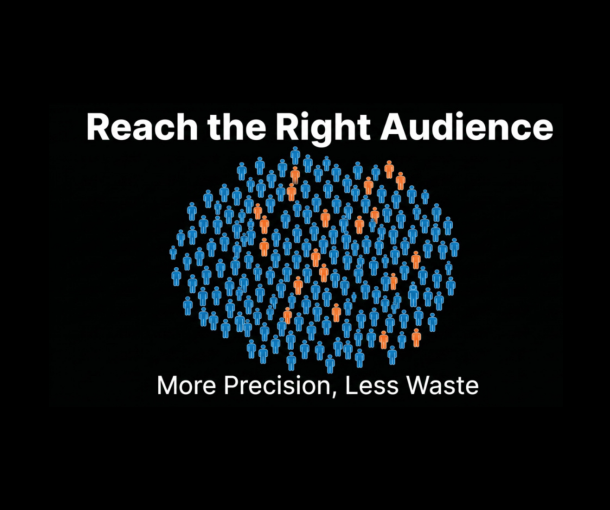
Geo-fencing does not automatically identify every person who enters a targeted area. The technology depends on several factors, including device settings, location permissions, available advertising data, and whether the device can be matched to an advertising platform.
This means geo-fencing should be viewed as audience-building technology rather than a perfect attendance list.
It can help a business reach a portion of the people who visited a location, but it cannot guarantee that every visitor will receive an ad.
What Is Geo-Fencing Best Used For?
Geo-fencing is most effective when the location itself tells you something meaningful about the audience.
For example, a marine dealership could target people attending a boat show. A home services company might target a home improvement event. A business could also target visitors to relevant competitors or complementary businesses.
The location creates the initial audience signal. The advertising message still needs to give that audience a reason to pay attention.
A strong geo-fencing campaign should include:
- A clearly defined audience
- A relevant geographic location
- A compelling offer or message
- Quality creative
- A useful landing page
- A plan for measuring results
Without those elements, geo-fencing simply puts another advertisement in front of someone.
Is Geo-Fencing Good for Brand Awareness or Lead Generation?
Geo-fencing can support both goals, but it is often strongest as an awareness and retargeting tool.
It can introduce your business to a relevant audience, reinforce a message after someone visits a location, and keep your brand visible during a longer buying process.
Direct leads may still happen, especially when the campaign includes a strong offer. However, businesses should not judge the entire campaign only by immediate form submissions or online purchases.
Search activity, website visits, store traffic, calls, and overall campaign reach may also help show whether the advertising is working.
The Bottom Line
Geo-fencing is a useful tool, but it is still just one tool in the advertising toolbox.
It does not replace a strong offer, clear messaging, effective creative, search advertising, social media, or consistent follow-up.
The best campaigns use geo-fencing strategically: targeting the right places, reaching a relevant audience, and supporting the larger marketing plan.
Geo-fencing can help your business get noticed. What happens next depends on the message you put in front of that audience.