For a long time, TV advertising felt out of reach for many local businesses.
It was often viewed as expensive, broad, and difficult to measure. You could buy commercial time, get your message on screen, and hope the right people were watching. For some businesses, that worked. But for many local advertisers, the waste made it hard to justify.
Connected TV is changing that.
Connected TV, often called CTV, refers to ads shown through internet-connected television experiences. This includes streaming platforms and apps people watch through smart TVs, streaming sticks, gaming consoles, and other connected devices. In simple terms, it allows your business to show up on the biggest screen in the house, but with much more of the precision we expect from digital advertising.
That matters because the way people watch TV has changed. Streaming is no longer a small side category. Nielsen reported that streaming reached 44.8% of total TV usage in May 2025, surpassing the combined share of broadcast and cable for the first time. That shift creates a major opportunity for local businesses to meet people where they are already spending their attention.
One of the biggest advantages of Connected TV is the viewing environment. On most digital platforms, your ad is fighting for attention. Think about a phone screen. People are scrolling, swiping, reading comments, clearing notifications, and jumping between apps. Your message might be there, but it is surrounded by distractions.
CTV is different. Your ad appears on a larger screen, often during content someone intentionally sat down to watch. That does not mean every viewer will remember every ad, but it does create a cleaner and more focused environment than many other digital placements.
The second major advantage is targeting.
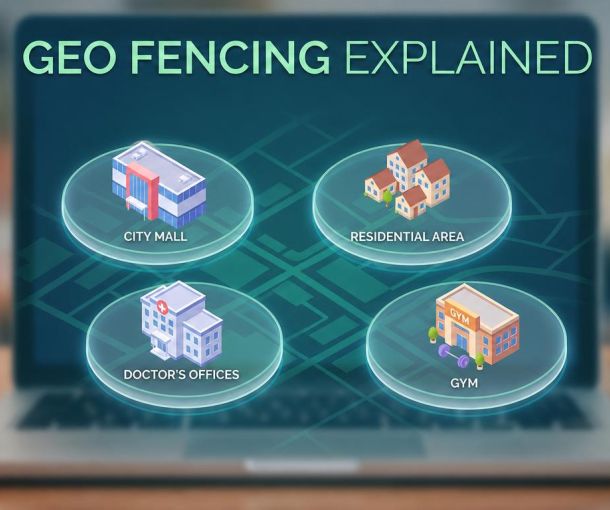
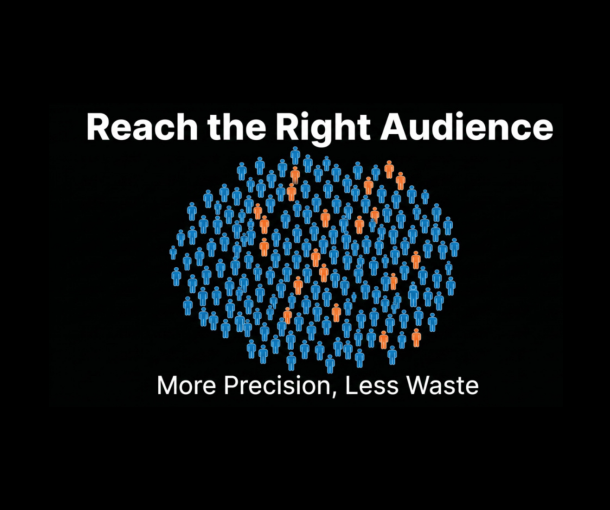
Traditional TV often relies on broad programming, time slots, or general audience assumptions. Connected TV gives advertisers more control. Campaigns can be built around location, audience characteristics, interests, behaviors, and other digital signals. For a local business, that means you are not simply advertising to everyone. You are trying to reach the right people with more precision.
CTV can also work with the rest of your digital strategy. For example, someone may see your video ad on their home TV, then later visit your website. From there, you can continue the conversation through retargeting ads across other digital placements. That ability to connect awareness, website activity, and follow-up messaging is where CTV becomes especially valuable.
This is why Connected TV is not just “TV advertising” in a new package. It is the power of TV combined with the precision of digital. For local businesses, that combination is a big deal. You can build brand awareness, show up in a premium environment, target more intentionally, and create follow-up opportunities after someone engages. The businesses that have understood this shift early are gaining the advantage. Connected TV gives local advertisers a way to look bigger, reach smarter, and waste less.
Nielsen Citation Link: https://www.nielsen.com/news-center/2025/streaming-reaches-historic-tv-milestone-eclipses-combined-broadcast-and-cable-viewing-for-first-time/